
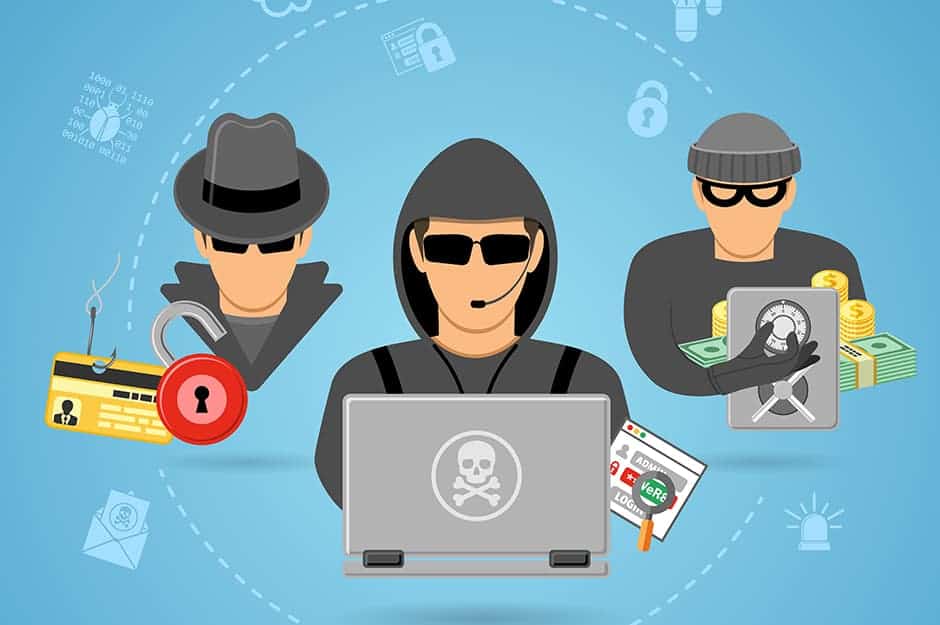
With each passing year, the number of cybercrimes grows exponentially, making the protection of personal data not just a necessity but a duty for every citizen and organisation. Cybercriminals employ a variety of methods to gain access to confidential information, ranging from phishing to sophisticated attacks using malicious software. In the context of digital advancement, ensuring data security becomes increasingly important, and legal protection becomes an integral part of combating cyber threats. Let’s explore the main types of cybercrimes, the risks associated with data breaches, measures for their prevention, and the steps that should be taken in the event of data compromise.
What are cybercrimes?
Cybercrimes encompass any criminal activities conducted using information technology, aimed at unauthorised access, alteration, destruction, or theft of data. Cyberattacks can target individuals as well as companies, governmental bodies, and infrastructure facilities. A critical aspect of cybercrimes is their transnational nature, which complicates the investigation and prosecution of those responsible.
Within the framework of international law, the fight against cybercrime is governed by a number of conventions and agreements, such as the Council of Europe Convention on Cybercrime (Budapest Convention), which provides a basis for international cooperation in this field. In addition to this, regional acts and legislative initiatives, for example, the General Data Protection Regulation (GDPR) in the European Union, establish strict data protection requirements and provide for sanctions in case of their violation.
In the event of any issues arising or if there is a need for qualified legal protection, we recommend getting in touch with our cybercrime lawyers. Our team of solicitors, with many years of experience on the international legal stage, will provide you with reliable protection from the filing of a lawsuit to representing your interests in court.
International cybercrimes
International cybercrime represents a particularly complex type of crime, given its global nature and the ability to launch attacks from anywhere in the world. One of the most striking examples of international cyber attacks is cyber espionage, aimed at obtaining confidential information from governments, international organisations, or large corporations.
In addition to cyber espionage, DDoS (Distributed Denial of Service) attacks are also prevalent, which can paralyse the functioning of large systems and cause significant economic damage. Such crimes are often organised by groups operating from jurisdictions with a low level of law enforcement concerning cybercrime, making it difficult to prosecute them.
International organisations such as Interpol and Europol are actively working on creating joint initiatives to combat cybercrime, including the development of joint strategies and conducting operations to apprehend criminals. However, the absence of a unified global law enforcement mechanism creates significant barriers to effectively combating cyber threats.
Cybercrime risks
The risks associated with cybercrime can be extremely high for both individuals and organisations. The loss of personal data can lead to financial losses, identity theft, and reputational risks, which in turn can negatively impact business. Companies operating in the finance, healthcare, and technology sectors are particularly vulnerable, as they handle large volumes of confidential information.
Cybercriminals can use stolen data for blackmail, selling on the black market, or for conducting further attacks. Given the increasing number of threats, special attention should be paid to implementing comprehensive data protection systems, including encryption, multi-factor authentication, and regular software updates.
From a legal standpoint, failing to comply with data protection requirements can lead to serious legal consequences, including hefty fines and lawsuits. Specifically, under the GDPR, companies that fail to ensure an adequate level of personal data protection can be fined up to 20 million euros or 4% of their annual global turnover, whichever is greater.
How to prevent cybercrime?
Preventing cybercrime requires a comprehensive approach that includes both technical measures and legal aspects. Firstly, companies and individuals should pay particular attention to training employees and users in information security protocols. Regular training on cyber hygiene and updates on new types of threats can significantly reduce the risk of a successful attack.
Technical measures include the use of modern data encryption systems, antivirus software, firewalls, and other security tools. An important element is also the regular updating of software and system components to eliminate vulnerabilities.
Legal protection should include the development of internal policies and procedures for data protection that comply with international standards and legislation. Companies should also consider the possibility of insuring against cyber risks, which can compensate for some of the losses in the event of a successful attack.
What to do if your data has been compromised
If your data has been compromised, it’s crucial to take immediate action to minimise the damage. Firstly, you should notify the relevant authorities, such as law enforcement agencies or organisations specialising in cybercrime. In some countries, there are mandatory requirements to inform regulators and affected individuals in the event of a data breach, for example, under GDPR.
It’s also imperative to immediately change passwords and bolster security measures for any accounts that might have been compromised. If it concerns corporate data, an internal investigation must be conducted to ascertain the extent of the leak, as well as to identify any potential vulnerabilities in the security system.
To mitigate the consequences of a data breach, one can utilise the services of data recovery specialists and damage minimisation experts. It’s also crucial to consult professional solicitors who can provide advice on further actions and protect the interests of the affected party in court.
When should you consult a solicitor?
Seeking legal advice becomes essential when your rights to personal data protection have been violated as a result of cybercrime. Interpol Lawyers will help you navigate the complex issues related to legal protection and the potential legal consequences of a data breach.
It’s particularly important to consult a solicitor if a data breach has led to significant financial or reputational losses. In this instance, a lawyer can assist you in preparing a lawsuit and representing your interests during the legal proceedings.
If you’re representing a company, a solicitor can assist you in developing and implementing effective data protection measures, as well as preparing internal policies and procedures that comply with international legal requirements.
