In a rapidly evolving world, staying informed and active is essential for all age groups, especially seniors. The digital age has ushered in remarkable opportunities for people of all ages to engage with technology, culture, and diverse fields of knowledge. Recognizing the importance of maintaining an active and engaged mind, there are various organizations offering a range of courses and events designed to foster digital literacy, legal and economic understanding, and cultural engagement while promoting well-being and community involvement for seniors.
Digital Literacy: Bridging the Technological Gap
One of the most significant challenges seniors face today is keeping up with the fast-paced world of technology. From navigating the internet to using smartphones and online banking, technology can seem intimidating. However, digital literacy has become a crucial life skill, and specialized courses can bridge this gap.
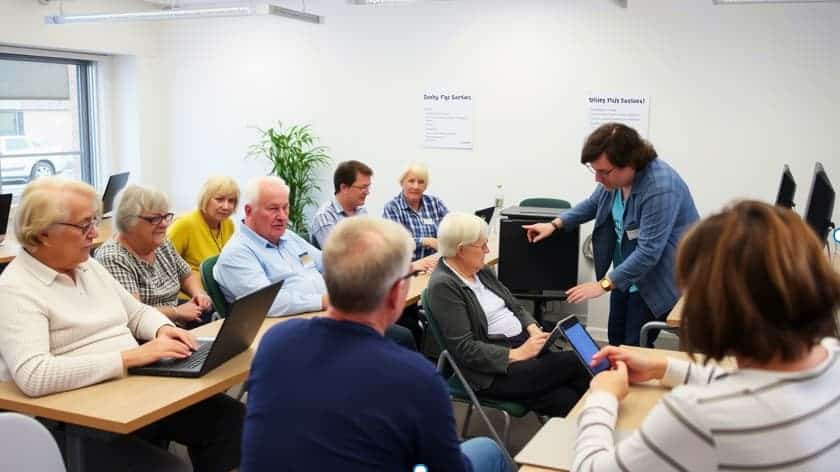
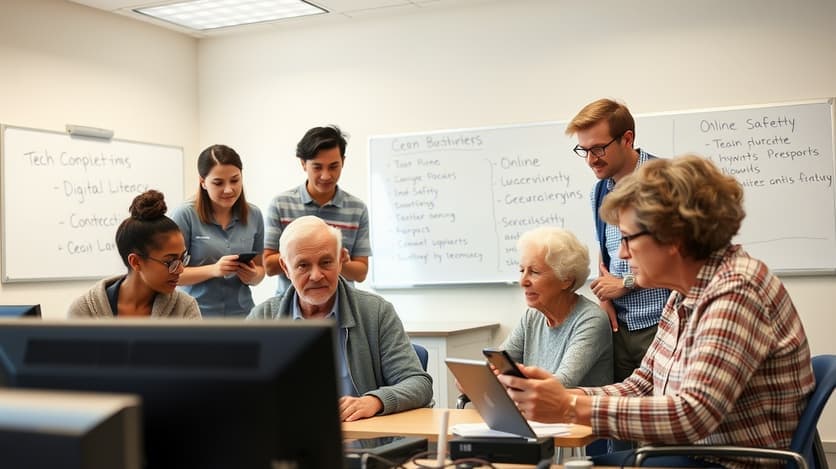
Digital literacy classes are designed to give seniors the tools they need to feel confident online. These lessons cover basic computer skills, such as using email and social media, as well as more advanced topics like digital security, online shopping, and utilizing digital health tools. By providing seniors with the knowledge to safely and effectively use technology, these courses ensure that they can stay connected with loved ones, manage their finances, and enjoy the vast amount of information and entertainment available online.
Legal & Economic Literacy: Navigating Rights and Resources
Understanding one’s legal rights and economic options is an essential part of maintaining independence and peace of mind. Seniors often face challenges related to healthcare, inheritance, retirement benefits, and other legal matters, which can be difficult to navigate without a proper understanding of the system. Legal and economic literacy courses specifically address these issues.
These classes are led by professionals in law and economics who understand the unique challenges faced by seniors. Topics include understanding pensions, managing retirement funds, accessing government benefits, and planning for long-term care. Legal courses also cover critical topics such as wills, power of attorney, and elder rights, empowering seniors to make informed decisions about their futures.
By enhancing legal and economic literacy, these courses help seniors navigate these often complex issues with confidence and clarity. This knowledge not only protects their rights but also provides them with the tools to manage their finances and plan for a secure future.
Psychology, Culture, and Art: Enriching the Mind and Soul
While practical skills are essential, enriching one’s cultural, emotional, and psychological life is equally important for seniors. Psychology, culture, and art courses recognize that these subjects not only stimulate the mind but also enhance emotional well-being.
Psychology courses delve into topics such as mental health, emotional resilience, and coping mechanisms for life’s challenges. These classes encourage seniors to focus on self-care, mindfulness, and emotional balance, fostering positive mental health.
Cultural and art courses provide a unique opportunity for seniors to explore new interests, cultivate creativity, and deepen their understanding of the world. From learning to paint or sculpt to understanding classical literature or the history of music, these courses provide seniors with the opportunity to embrace their passions and expand their horizons. Art, in particular, has been shown to have therapeutic benefits, promoting cognitive function and emotional healing, which is especially valuable in later years.
These courses encourage seniors to tap into their creativity, express themselves, and experience the joy of learning and cultural enrichment.
Open Lectures and Master Classes: Lifelong Learning in Action
In addition to the specialized courses, open lectures and master classes offer seniors opportunities to engage with experts and continue their education. These events bring professionals from various fields to share their knowledge, answer questions, and engage with attendees in a dynamic and interactive environment.
Topics of the open lectures range from advancements in technology to the latest research in healthcare and psychology. These events are designed to keep seniors informed about the world around them, ensuring that they are not left behind in an ever-changing society.
Master classes, on the other hand, offer more hands-on experiences. Whether it’s learning a new language, trying out a new recipe, or developing a new craft, these master classes provide seniors with a practical way to learn something new while interacting with others.
Excursions and Social Events: Strengthening Community Bonds
To further enhance the learning experience, excursions and social events allow seniors to explore their local community, connect with others, and participate in activities that promote social well-being. These events are designed to break down isolation, foster a sense of belonging, and encourage active participation in the community.
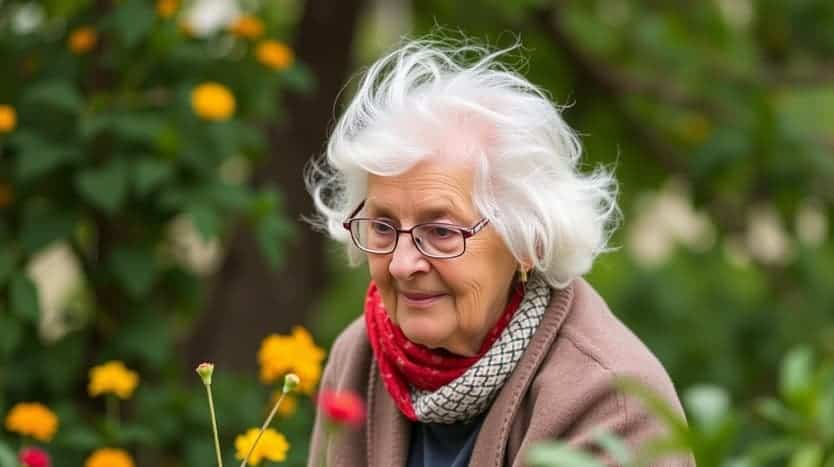
Excursions may include trips to museums, historical sites, or nature reserves, providing seniors with the opportunity to learn about their heritage and enjoy the beauty of the world around them. Social events, such as group discussions, cultural performances, and movie nights, give seniors a chance to meet new people, share experiences, and engage in enjoyable activities.
Staying Active and Necessary: Empowering Seniors to Live Their Best Lives
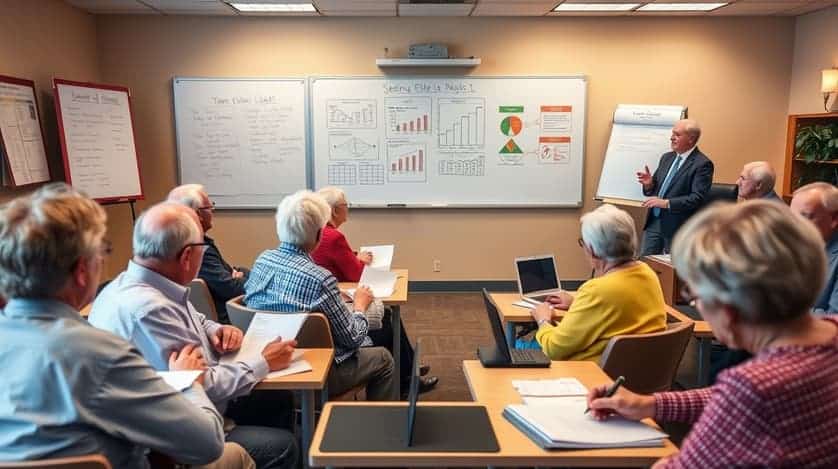
The goal is to help seniors feel active, necessary, and engaged in every aspect of life. By offering a wide range of educational opportunities, social events, and practical resources, organizations ensure that seniors maintain their independence, mental well-being, and overall quality of life.
Lifelong learning is not just about acquiring new skills or knowledge; it’s about staying curious, being involved, and living with purpose. It is never too late to learn and grow, and every senior has the potential to live a fulfilling, vibrant life.
Conclusion
Seniors are not just passive recipients of society’s attention; they are active, contributing members who deserve opportunities for continued growth and development. By offering classes in digital literacy, legal and economic understanding, psychology, culture, and art, as well as organizing open lectures, master classes, and excursions, seniors have the resources they need to stay connected, informed, and active.
Lifelong learning is the key to staying empowered and engaged with the world around us. Providing seniors with the tools they need to lead fulfilling, active lives allows them to embrace the future with confidence and enthusiasm.
